How Much Does a Whole-Home Renovation Cost in Philadelphia?
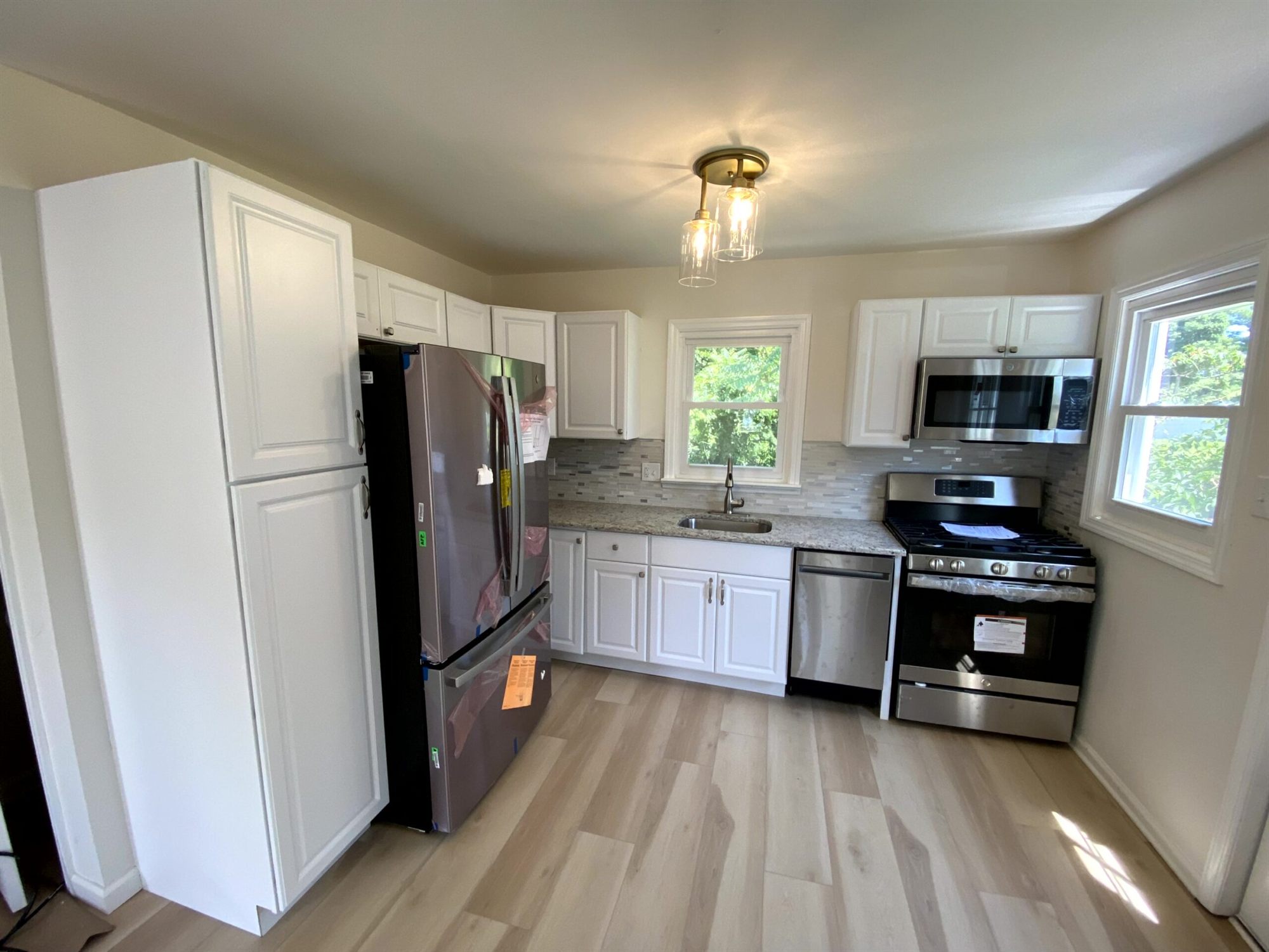
Whether you just bought an older Philadelphia row home that needs everything updated, or you've lived in your house for years and it's time to modernize it room by room, a whole-home renovation is one of the biggest financial decisions a homeowner makes. Unlike a single-room project, cost here depends heavily on how many rooms are involved and how much of the underlying house, plumbing, electrical, structure, is being touched.
Whole-Home Renovation Cost by Approach
| Approach | Typical Cost Range | What's Included |
|---|---|---|
| Cosmetic update | $25,000 - $50,000 | Paint, flooring, fixtures and lighting throughout, no layout changes |
| Mid-range renovation | $60,000 - $120,000 | Updated kitchen and bathrooms, new flooring, paint, same footprint |
| Full gut renovation | $120,000 - $250,000+ | Down to the studs, new plumbing and electrical, layout changes, all finishes new |
| Addition + renovation | $250,000+ | Full renovation plus added square footage |
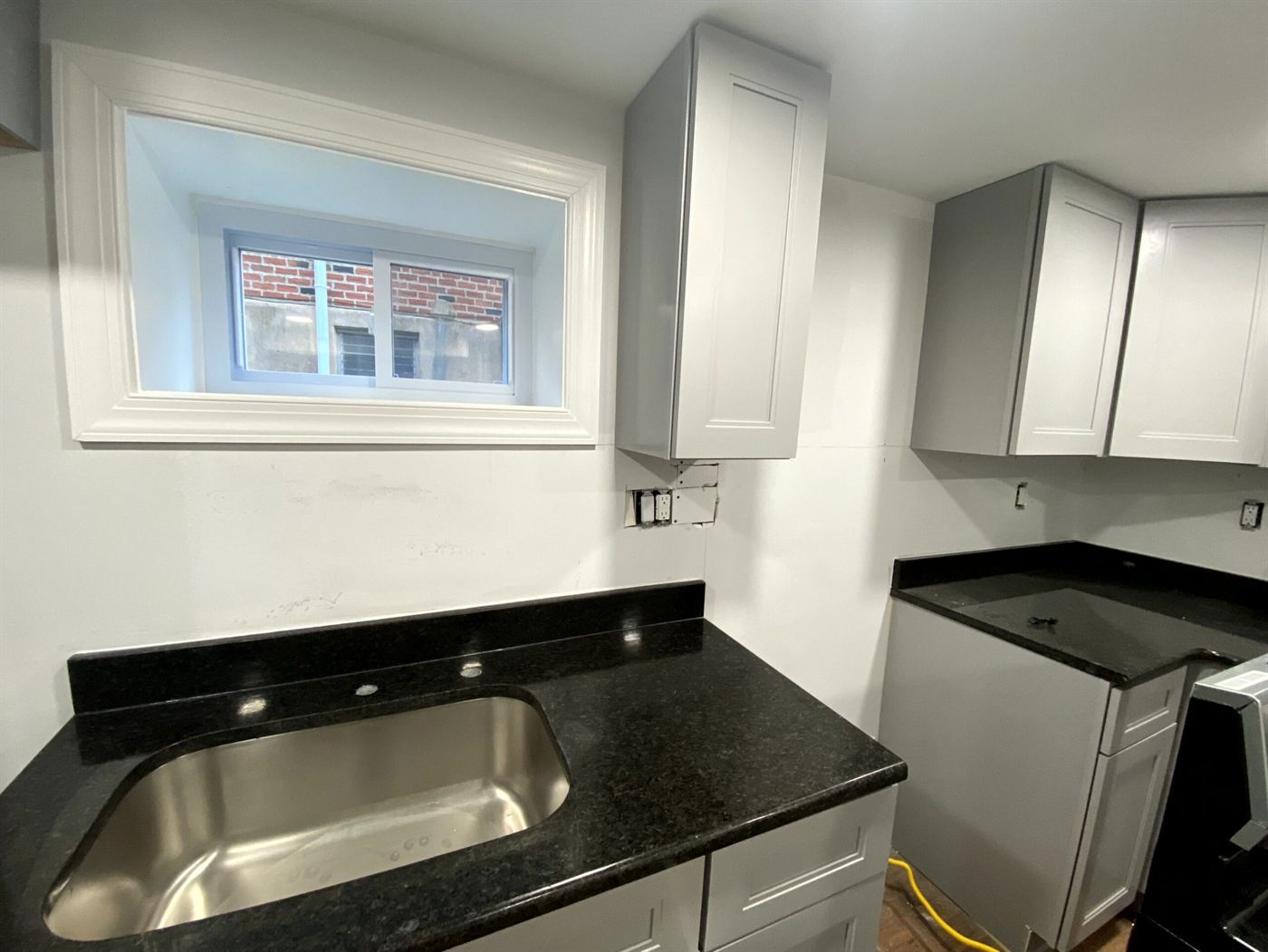
These ranges are wide because "whole-home renovation" covers a lot of ground, from refreshing finishes throughout an already-updated house to gutting a Philadelphia rowhome that hasn't been touched since it was built. The single biggest cost driver is how much of the house's underlying systems, plumbing, electrical and structure, need to be replaced rather than reused.
Where the Budget Typically Goes
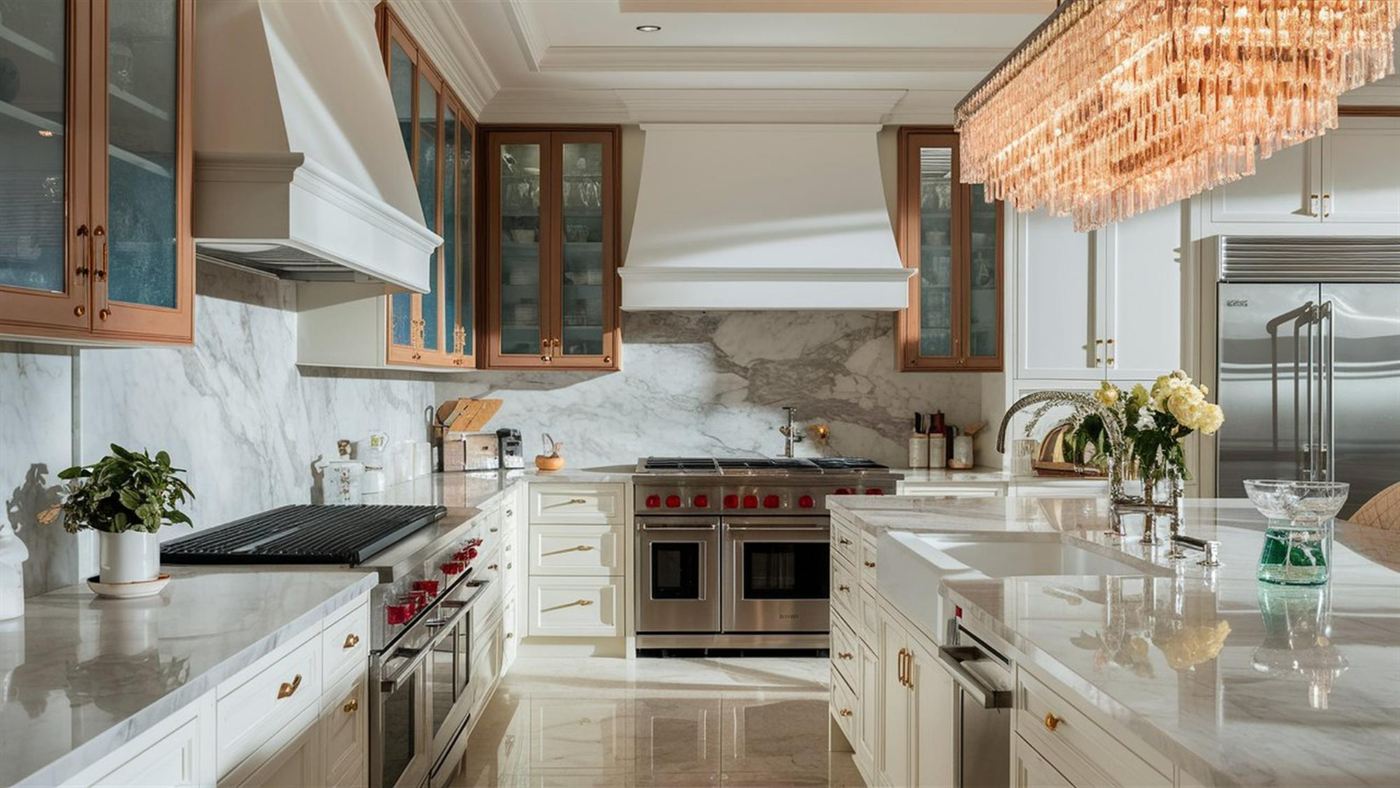
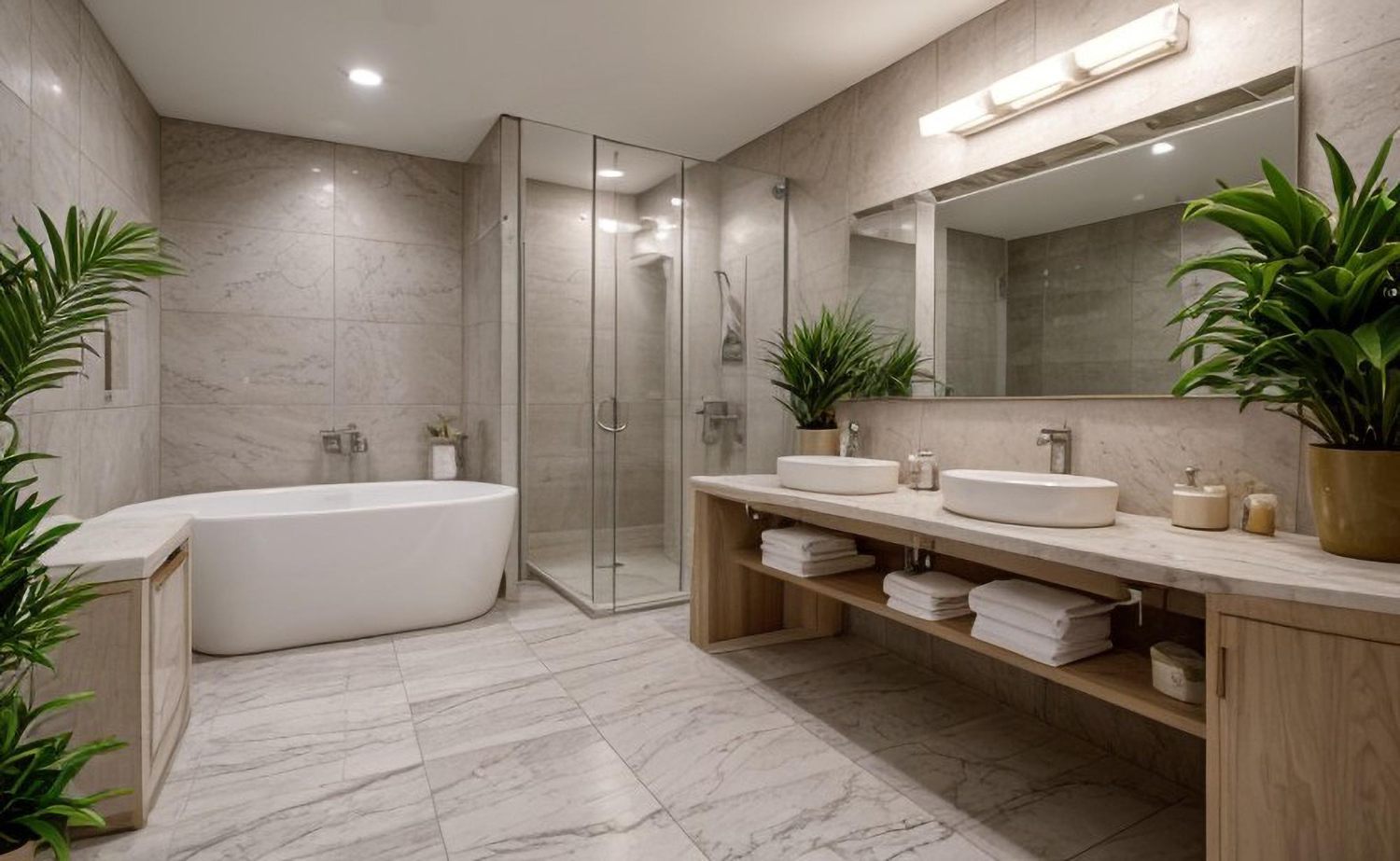
On a full renovation, the kitchen and bathrooms almost always represent the largest individual shares of the budget, since they combine the most expensive materials (cabinetry, countertops, tile) with the most labor-intensive trades (plumbing, electrical). Flooring throughout the home, drywall and paint, and finish carpentry round out the rest, with structural or layout changes adding cost wherever walls move or systems relocate.
Philadelphia-specific factor: Many row homes and twins have never had a major electrical or plumbing update since they were built. A whole-home renovation is often the right time to address knob-and-tube wiring, undersized panels or old galvanized plumbing, even though it adds to the budget, because it's far more disruptive to do later once finishes are already in place.
Renovating in Phases vs. All at Once
Not every homeowner wants, or can afford, to renovate the entire house simultaneously. Both approaches are common in Philadelphia:
- All at once: Faster overall, often more cost-efficient since trades mobilize once, and easier if the home is vacant during construction. Best when you can temporarily relocate or the home is unoccupied.
- Phased by room or floor: Spreads cost over a longer period and keeps part of the home livable throughout. Requires more planning to sequence trades logically, for example finishing structural and electrical work on a floor before moving to the next.
A whole-home renovation handled by one team, rather than separate contractors per room, avoids a common problem in phased projects: work completed early (like new flooring) getting damaged during later phases (like a kitchen demo) because the sequence wasn't planned around it from the start.
Can You Live in the House During Renovation?
Often yes, particularly for phased projects where one floor or section is worked on at a time while the rest of the home stays functional. For full gut renovations touching every room simultaneously, a vacant house is typically faster to complete and often more economical overall, since crews aren't working around occupied living space or coordinating access with residents daily.
Frequently Asked Questions
How long does a whole-home renovation take?
A mid-range whole-home renovation typically takes three to five months from demolition to final walkthrough. A full gut renovation, especially one involving structural changes or an addition, can take six months or longer. Material lead times, particularly for custom cabinetry, often set the pace more than labor availability.
Do you provide one price for the entire project?
Yes. After a full walkthrough, we provide one itemized estimate covering every trade involved, kitchen, bathrooms, flooring, drywall, paint and finish carpentry, so you can see exactly where your budget goes with no hidden costs.
Should I renovate before or after moving in?
Renovating a vacant home before moving in is almost always faster and less disruptive than living through construction, if your timeline and temporary housing situation allow for it. For homeowners who can't wait or who are updating a house they already live in, phasing the work room by room is the more practical path.
Ready to Plan Your Whole-Home Renovation?
Reliable Home Remodeling manages whole-home renovations across Philadelphia with one accountable team from first walkthrough to final punch list: demolition, framing, drywall, kitchens, bathrooms, flooring, paint and finish carpentry, all coordinated so nothing gets damaged or delayed by the next phase.
Ready to see what a whole-home renovation would cost for your house? Request a free estimate today.