Best Flooring for Philadelphia Row Homes: A Room-by-Room Guide
Row homes present a specific flooring challenge: narrow footprints where the same floor often runs from the front door straight through to the kitchen, uneven original subfloors, and in many cases a finished basement below that makes moisture resistance non-negotiable. The right flooring choice depends heavily on which room and which floor of the house you're working with.
Kitchens: Waterproof and Durable
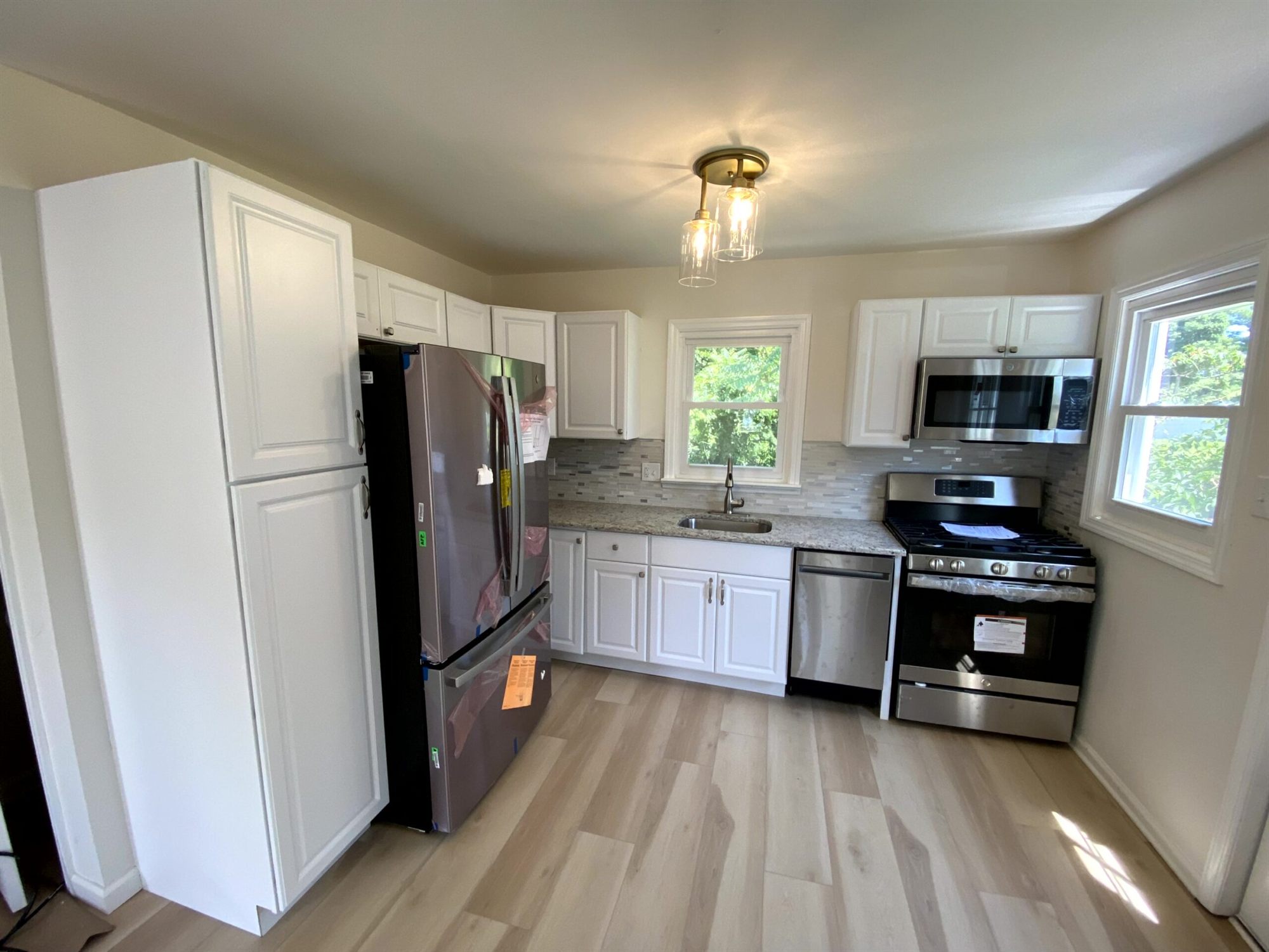
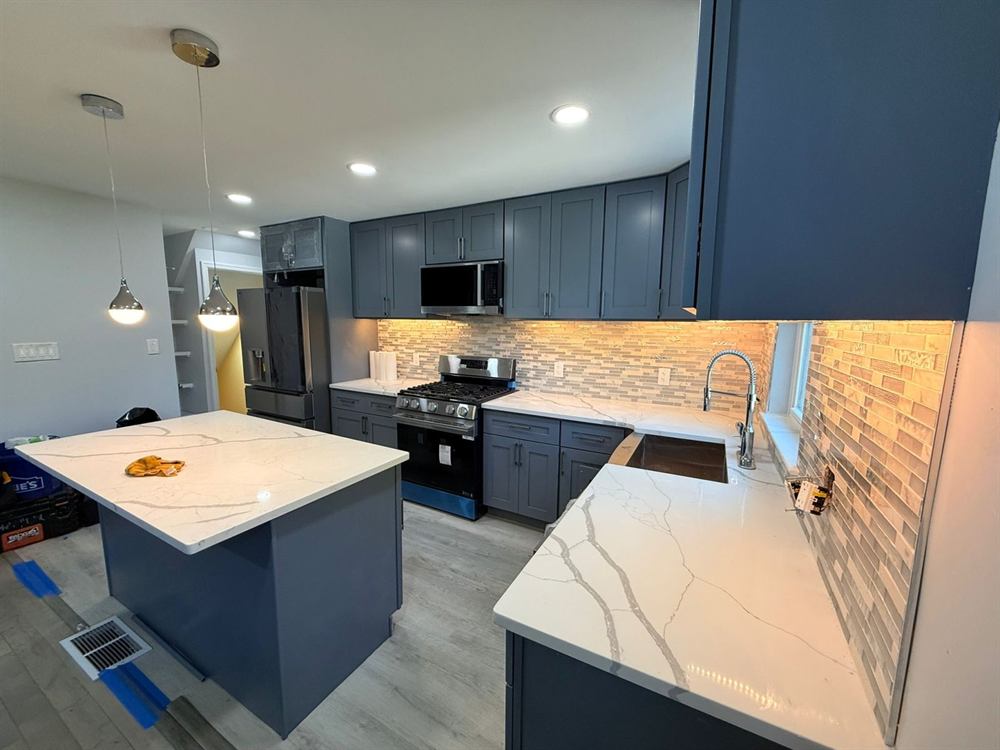
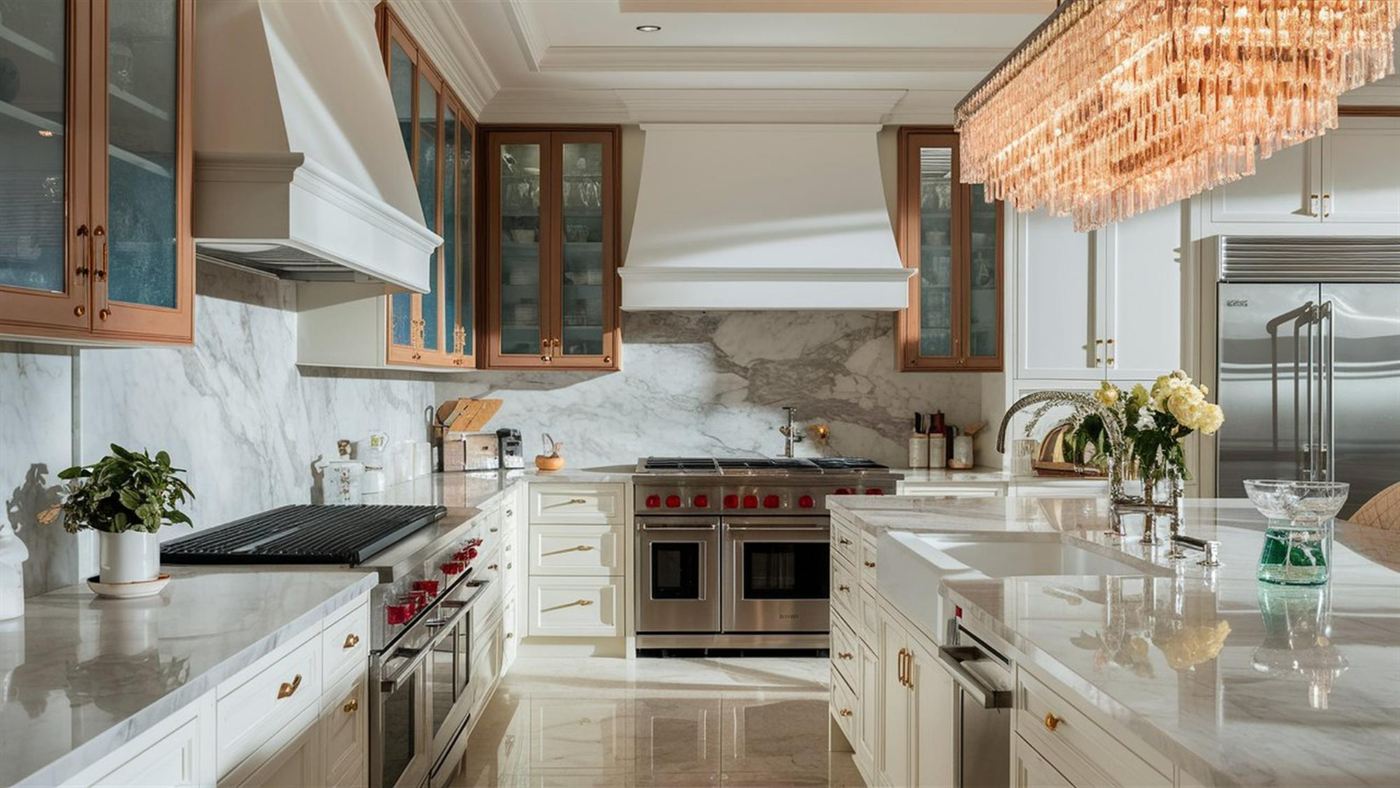
Kitchens see the most daily wear of any room, between dropped dishes, spills and constant foot traffic. Luxury vinyl plank (LVP) has become the default recommendation for Philadelphia kitchens because it's fully waterproof, warm underfoot compared to tile, and far more forgiving of an uneven subfloor than hardwood or large-format tile. Porcelain tile is the other strong option, particularly for homeowners who want the option to pair it with radiant floor heating.
Bathrooms: Tile Still Wins
For bathrooms, porcelain or ceramic tile remains the standard, and for good reason: it's fully waterproof at the seams when installed correctly, which matters most in a wet environment. LVP is a reasonable budget alternative for a powder room or hall bath, but for a shower floor or a wet area, tile with proper waterproofing behind it is still the more durable choice long-term.
Living Rooms and Bedrooms: Hardwood or LVP
Many Philadelphia row homes have original hardwood under old carpet or a worn finish, and refinishing existing hardwood is often the most cost-effective way to get a high-end look. Where the subfloor has been damaged or there's no existing hardwood, LVP has become a popular alternative because it mimics the look of wood closely while resisting scratches from pets and furniture better than real hardwood.
| Room | Best Choice | Why |
|---|---|---|
| Kitchen | Luxury vinyl plank or porcelain tile | Waterproof, handles spills and heavy foot traffic |
| Bathroom | Porcelain or ceramic tile | Fully waterproof in wet areas, wide design range |
| Living room / bedrooms | Hardwood (refinished or new) or LVP | Warm, classic look; LVP adds scratch resistance |
| Basement | Luxury vinyl plank | Handles residual moisture better than wood or laminate |
| Entryway / mudroom | Porcelain tile or LVP | Withstands dirt, salt and moisture from outside |
Basements: Moisture Is the Deciding Factor
Even a properly waterproofed finished basement sits closer to ground moisture than any other floor in the house. Solid hardwood and laminate are both vulnerable to swelling if they ever get damp, which rules them out for most basements. LVP is essentially the standard choice here: it's engineered to handle occasional moisture without warping, and it stays comfortable underfoot in a space that tends to run cooler than the rest of the house.
Row home tip: If your home has an open layout from the kitchen into a dining or living area, running the same LVP or tile through both spaces (rather than switching materials at an arbitrary line) makes a narrow floor plan feel considerably larger.
What About Subfloor Condition?
Whatever material you choose, the subfloor underneath matters as much as the finish flooring itself. Older Philadelphia homes commonly have subfloors with dips, squeaks or old adhesive residue from previous flooring. Leveling and repairing the subfloor before installation is what prevents a new floor from feeling bouncy, squeaking within a year, or showing seams where the underlying surface isn't flat.
Frequently Asked Questions
Is LVP actually as durable as it's marketed to be?
Quality luxury vinyl plank holds up well to daily foot traffic, pets and moisture, and is one of the more forgiving flooring types for homes with uneven original subfloors. Like any flooring, quality varies by product, thickness and wear layer, which is why it's worth seeing and feeling samples before choosing.
Can you match new flooring to my existing hardwood?
In most cases yes. Matching stain color, plank width and finish sheen to existing hardwood is a common request, especially when only part of a floor needs replacement or an addition needs to blend with the original house.
Do you remove and dispose of old flooring?
Yes, demolition, haul-away and subfloor preparation are included in our flooring installation scope, so the project is genuinely turnkey from old floor to new.
Ready to Choose the Right Floor for Your Home?
Reliable Home Remodeling helps Philadelphia homeowners choose the right material for each room based on how it's actually used, not just how it looks in a showroom, then installs it over a properly leveled and repaired subfloor.
Ready to talk through your flooring options? Request a free estimate today.